해양의 탄소흡수력에 주목한 기후위기 대응전략 ‘청색 적응’ 주제로 국제 포럼 개최
- 해양력 복원으로 기후위기 대응과 해양경제 활성화 방안 제시 - 청색 적응 전략과 현장 사례 공유… 국제적 인사이트 제시 - 해양・정책전문가 및 대학생, 고등학생 등 150여 명 참가
전남 지역 최초 섬·해안 기후위기 대응 국제포럼섬 지역의 기후위기 대응과 해양경제 활성화를 위한 새로운 모델이 제시된 ‘2024 섬 기후위기 대응과 지속가능발전 국제포럼’이 10월 31일 조선대학교에서 개최되었다. 이 포럼은 전남 지역 최초로 섬과 해안 지역의 기후위기 대응을 주제로 열려, 해양 전문가, 정책 전문가, 대학생 및 고등학생 등 약 150명이 참석해 큰 관심을 받았다. 이번 포럼은 조선대학교, 신안군, 그리고 인도네시아 지속가능발전목표센터네트워크(ISCN)의 공동 주최로 이루어졌으며, 각 기관은 지속 가능한 발전을 위한
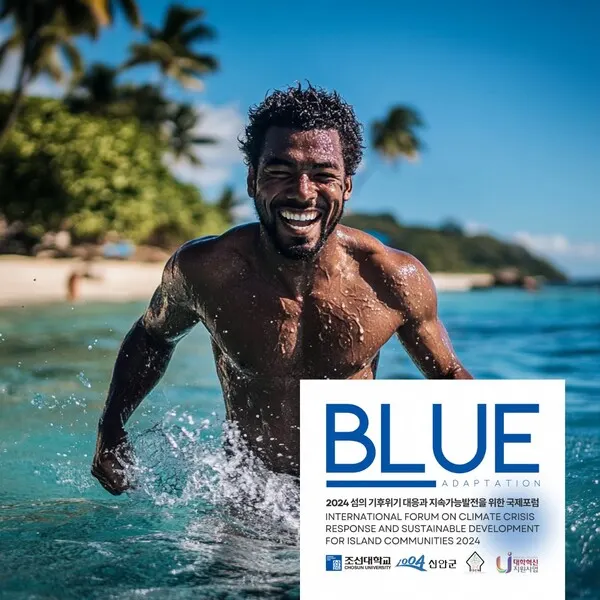
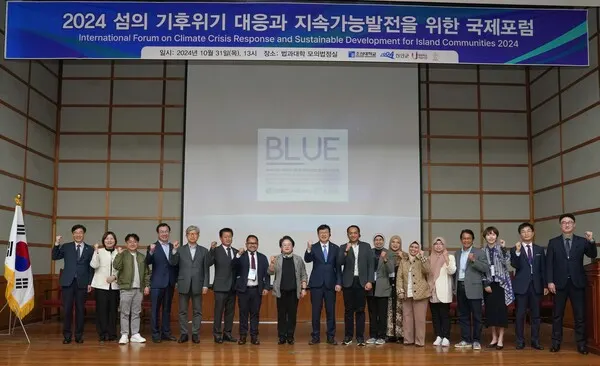
전남 지역 최초 섬·해안 기후위기 대응 국제포럼
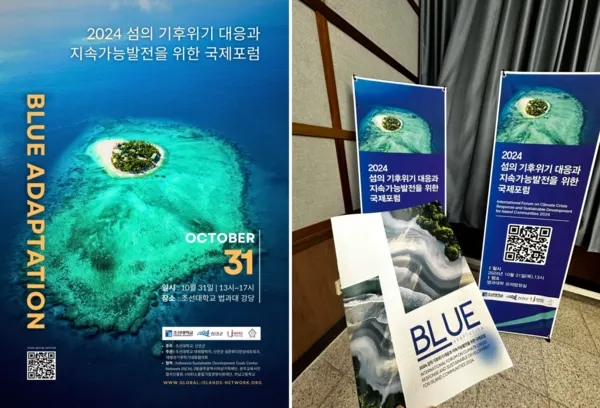
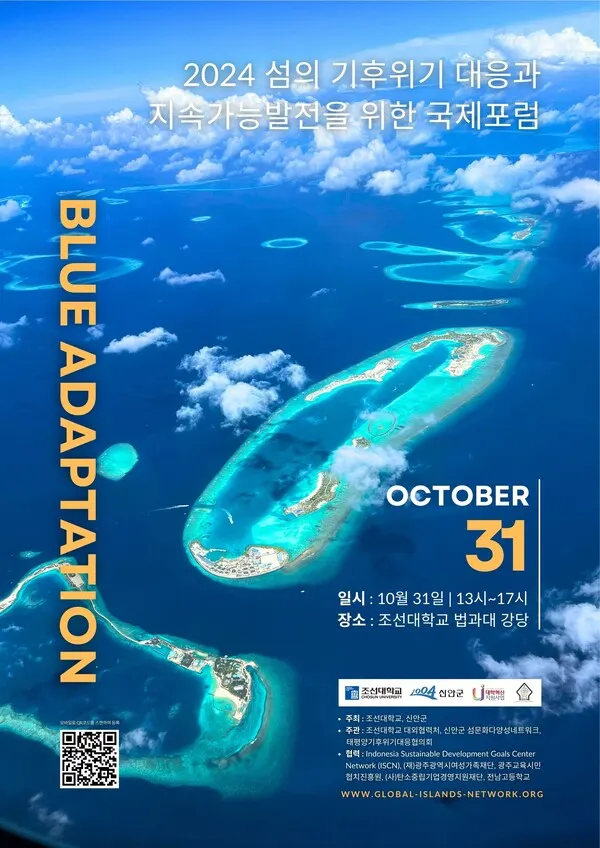
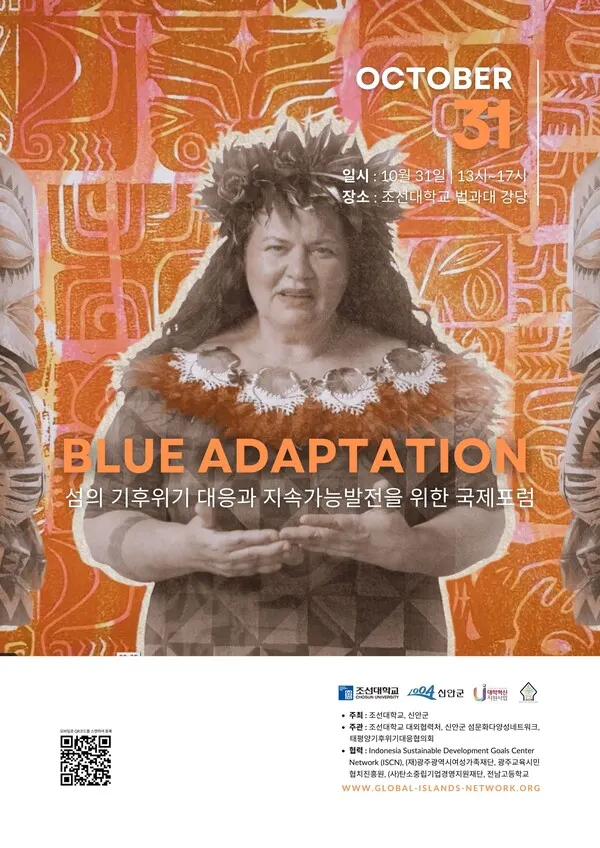
섬 지역의 기후위기 대응과 해양경제 활성화를 위한 새로운 모델이 제시된 ‘2024 섬 기후위기 대응과 지속가능발전 국제포럼’이 10월 31일 조선대학교에서 개최되었다. 이 포럼은 전남 지역 최초로 섬과 해안 지역의 기후위기 대응을 주제로 열려, 해양 전문가, 정책 전문가, 대학생 및 고등학생 등 약 150명이 참석해 큰 관심을 받았다. 이번 포럼은 조선대학교, 신안군, 그리고 인도네시아 지속가능발전목표센터네트워크(ISCN)의 공동 주최로 이루어졌으며, 각 기관은 지속 가능한 발전을 위한 ‘청색 적응(Blue Adaptation)’ 전략을 중심으로 한 협력과 구체적인 대안 모색에 함께했다.
조선대의 SDGs 특성화와 국제 협력 강화
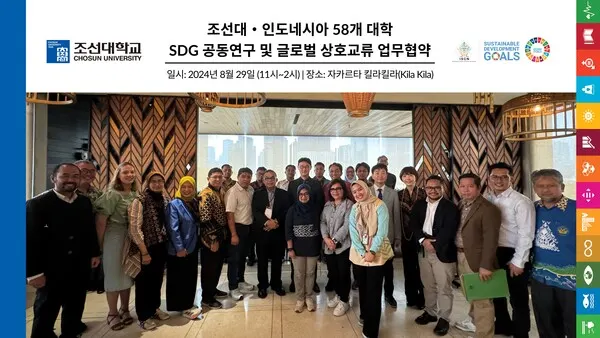
조선대학교는 지속가능발전목표(SDGs)를 4대 특성화 교육혁신사업의 중심 분야로 삼고, 지역사회와 연계한 교육과정을 개발하며 관련 학과를 운영해왔다. 특히 조선대는 지난 8월 ISCN과 공동연구 및 국제 교류 협약을 체결하며 글로벌 협력을 통한 기후위기 대응에 주력하고 있다. 이번 포럼은 조선대의 SDGs 교육혁신 프로그램의 일환으로 추진되었으며, 광주시 교육청, 공공재단, 고등학교 및 대학교가 참여하여 정책 공유와 청색 적응 사례를 통해 현실적인 대응 방안을 모색하는 자리가 되었다.
ISCN의 첫 국제 협력 활동으로서의 의의
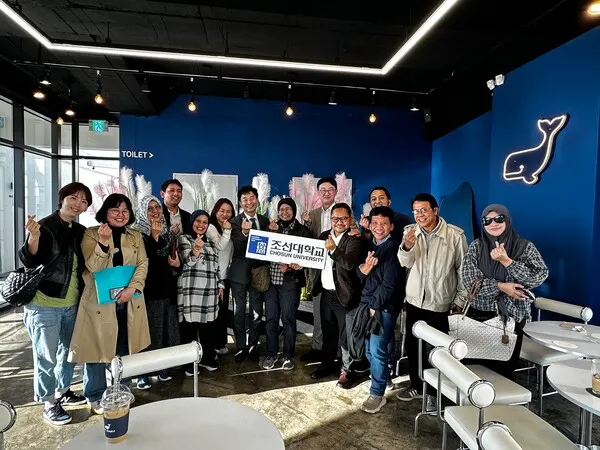
이번 포럼은 인도네시아 지속가능발전목표센터네트워크(ISCN)의 첫 국제 협력 활동으로 큰 의미를 지닌다. ISCN은 인도네시아 국가개발계획부(Bappenas)의 지원 아래 설립된 세계 최초의 국가 단위 SDGs 네트워크로, 인도네시아의 58개 대학이 연합하여 지속 가능한 발전 목표를 추진하고 있다. 이번 포럼은 프라보워 수비안토 대통령 정부의 강력한 지지를 받아 진행되었으며, ISCN의 7개 대학 교수진이 참석해 ‘청색 적응’을 통한 기후위기 대응 및 지속 가능한 발전 방안에 대해 발표하고 토론하며 국제적 인사이트를 제시했다.
신안군의 섬 문화 보존 및 기후위기 대응 노력
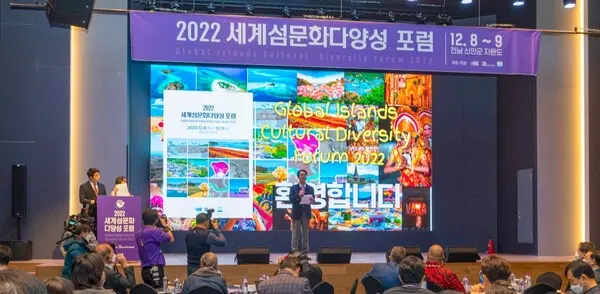
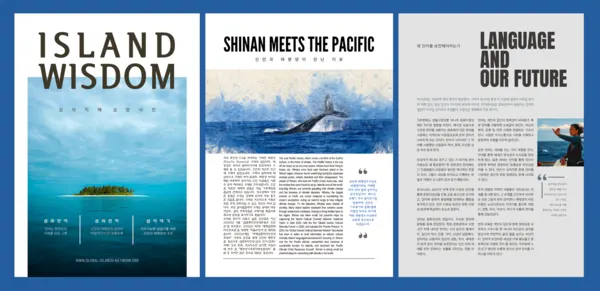
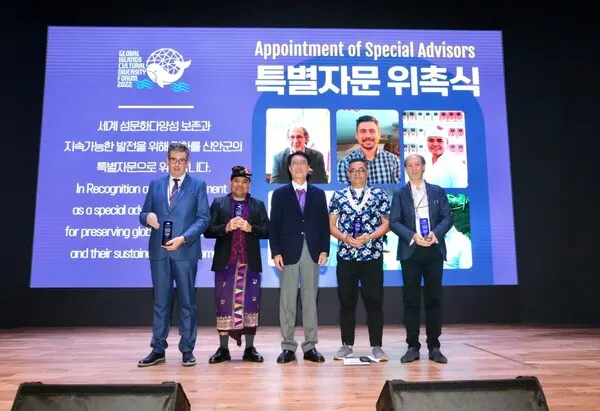
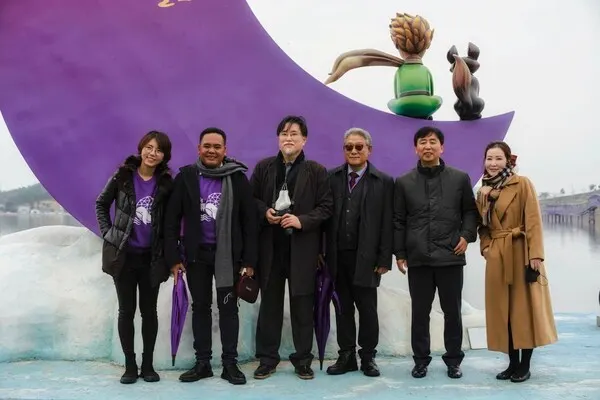
이번 포럼을 처음 제안한 신안군은 섬 문화와 생태 다양성 보존을 위해 2020년에 ‘섬문화다양성네트워크 TF’를 결성하고, 다양한 섬문화 보존 활동을 진행해왔다. 신안군은 그간 '세계섬문화다양성포럼'을 통해 팔라우, 피지, 사모아, 그리스 등 여러 섬 국가와 교류하며 섬의 언어와 철학을 담은 '섬말사전(Island Wisdom)'제작과 세계 섬문화 다양성 홍보를 위한 온라인 플랫폼 구축에 힘써왔다. 이번 포럼에서 박우량 군수는 “청색 적응은 해양 생태계와 섬 문화를 보호하고 기후변화로 인한 피해를 최소화하며, 지속 가능한 해양 자원 활용을 촉진하는 중요한 전략”이라며 포럼 개최의 취지를 강조했다.
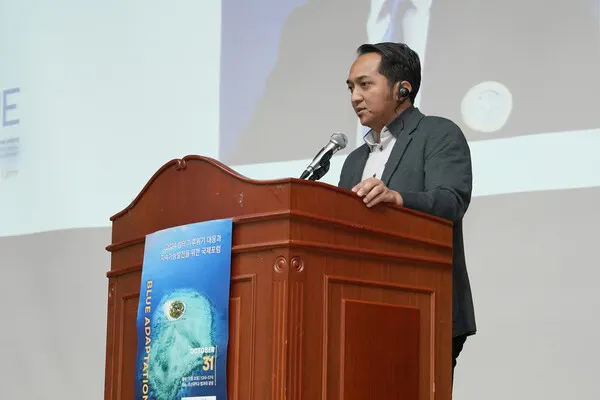
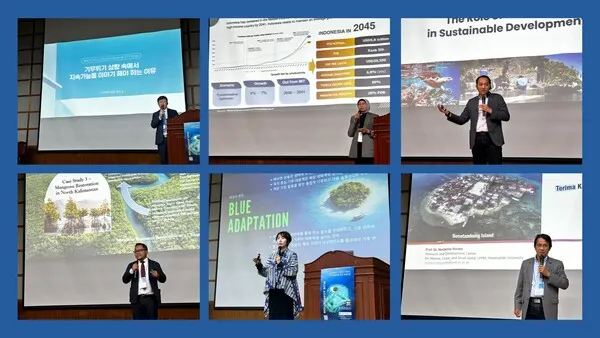
‘청색적응’ 전략을 주제로 한 전략 및 사례 발표
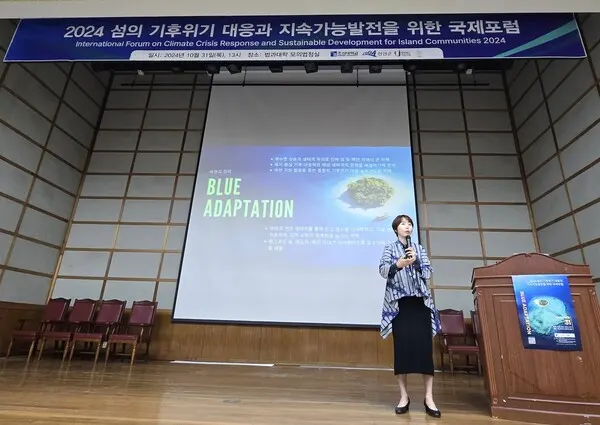
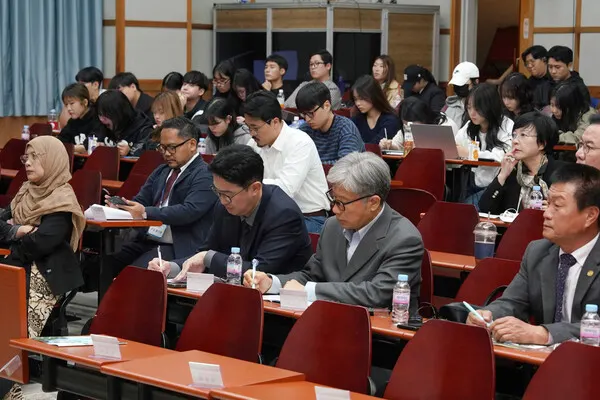
조선대학교 법학대학 강당에서 오후 1시부터 진행된 포럼과 토론에서는 해양과학기술, 경영, 인권, 에너지 전환, 순환경제, 지속가능관광 등 다양한 분야 전문가들이 인도네시아, 필리핀, 태평양 도서국 등의 섬 지역 사례를 통해 섬과 연안 지역의 기후위기 대응 방안과 청색 적응 전략의 효과에 대한 다각적 시각을 제시했다.
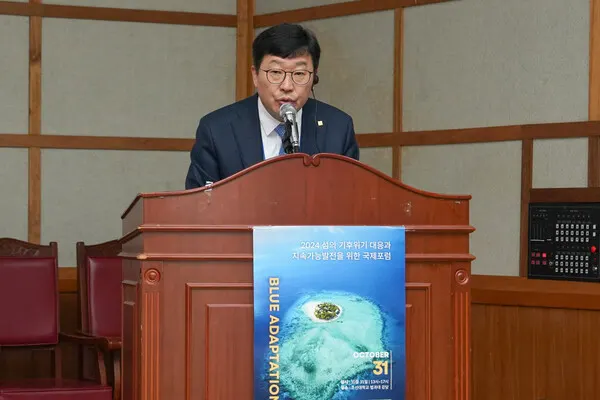
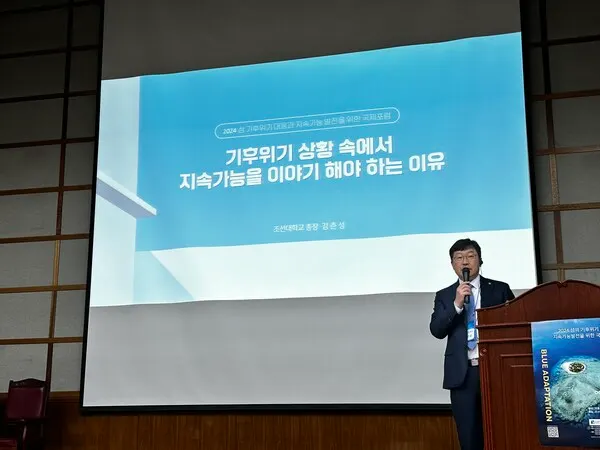
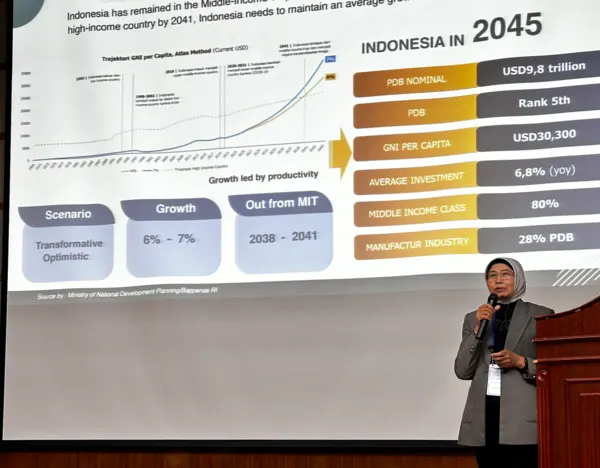
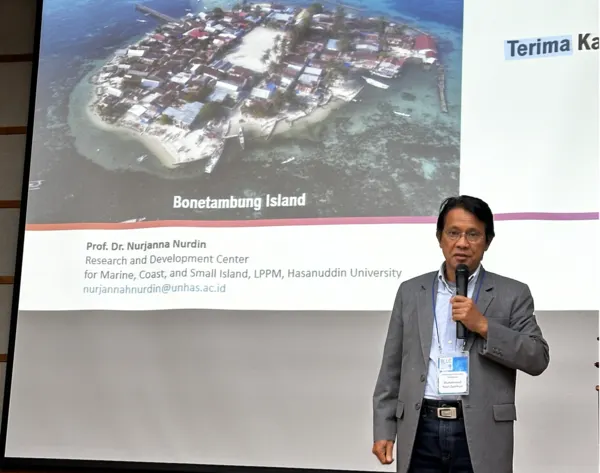
포럼은 김춘성 조선대 총장의 기조연설로 시작되었다. 김 총장은 해조류의 탄소 흡수력을 중심으로 해양 자원을 활용한 탄소중립 전략과 해양산업 활성화 방안을 발표하며, 탄소흡수력을 강화하는 청색 적응 전략이 기후위기 대응에 중요한 역할을 할 수 있음을 강조했다. 이어 ISCN 회장 바유 아리에 피안토는 인도네시아 지속 가능 발전 모델과 청색 적응이 환경적 및 경제적 회복력 강화에 미치는 긍정적 효과를 소개했다. 젬버대학교의 데위 프리하티니 교수는 지역사회 주도의 혁신 사례를 공유하며 지속 가능 발전을 위한 구체적 접근 방법을 제안했다. 누르잔나 누르딘 해양 및 소규모 섬 연구개발센터장과 하사누딘 대학의 무함마드 유스리 잠후리 교수는 원격탐사 기술과 현장 조사 데이터를 활용해 인도네시아 해양 생태계 변화를 분석하고, 이를 환경 정책에 반영하는 과정을 설명했다.
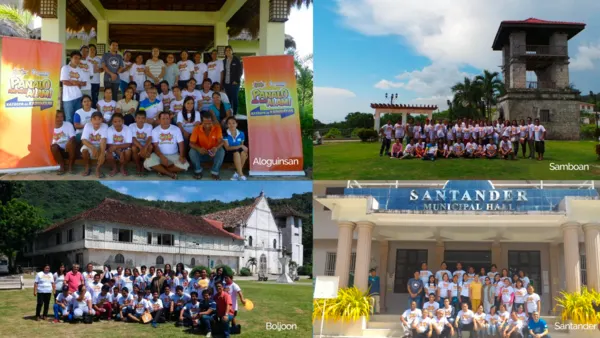
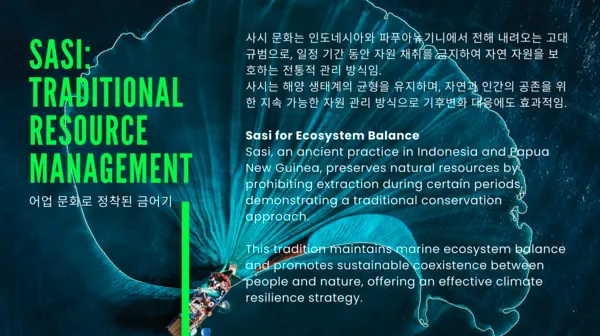
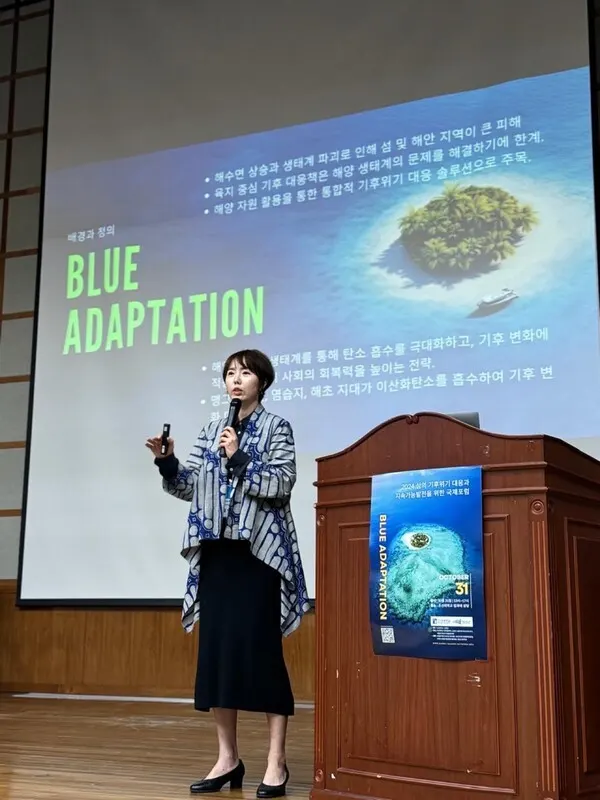
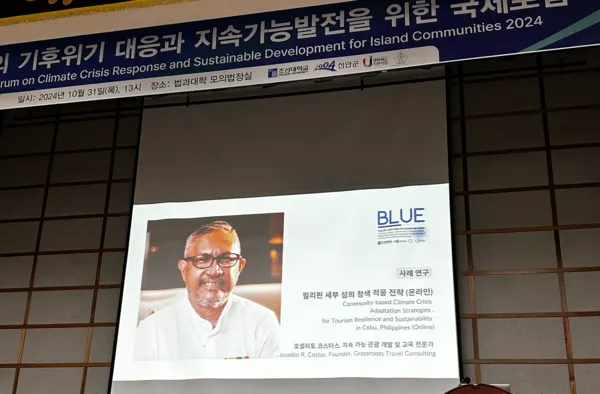
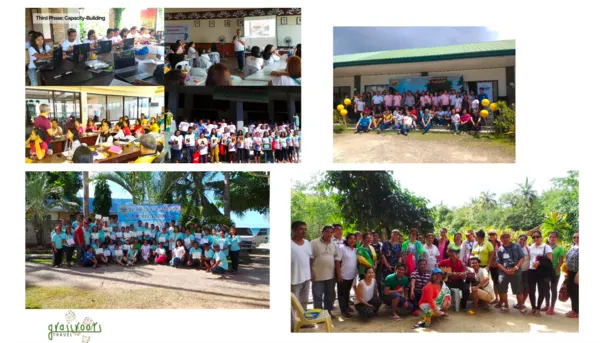
사례 발표 시간에는 마을기반관광(Community-Based Tourism) 전문가인 호셀리토 코스타스 대표가 필리핀 세부 섬의 보호(Bojo) 마을 사례를 통해 청색 적응 전략이 지역사회 경제 발전에 기여한 방식을 설명했다. 우낭 물크한 람풍대학교 SDGs 센터 자문은 인도네시아 숨바 섬의 재생에너지 프로젝트와 라자 암팟의 해양 보호 활동을 통해 청색 적응 전략이 해양 생태계 보호와 지역사회 발전을 촉진할 수 있음을 강조했다. 박재아 조선대학교 대외협력외래교수이자 태평양기후위기대응협의회 사무처장은 생태계 흐름을 유지하며 경제 활동을 이어온 피지, 사모아, 마셜제도, 세이셸 등의 섬 주민들의 전통 어업법과 해양 생태계 보전을 위한 다양한 정책을 소개하며, 태평양과 인도양 도서 지역의 지속 가능한 발전 모델을 공유했다.
지속가능한 미래를 위한 대학의 역할 논의
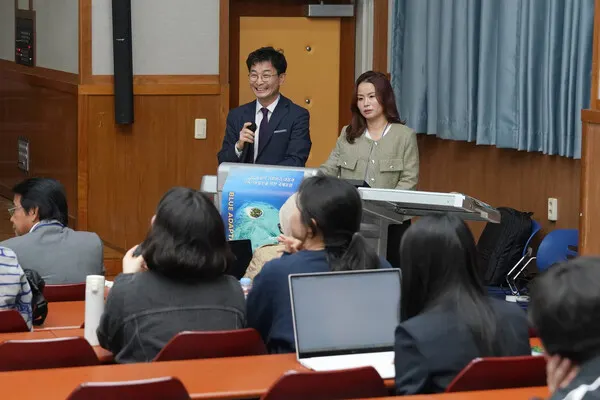
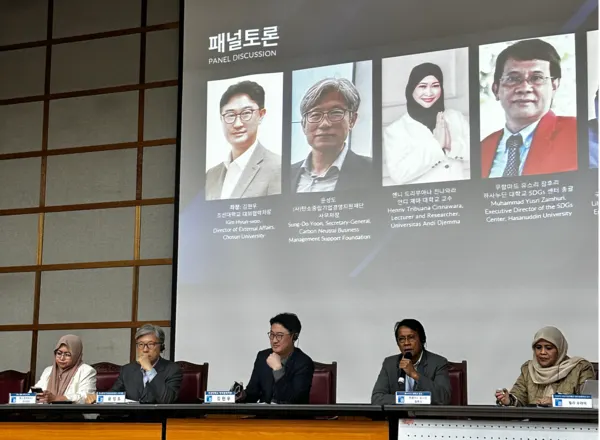
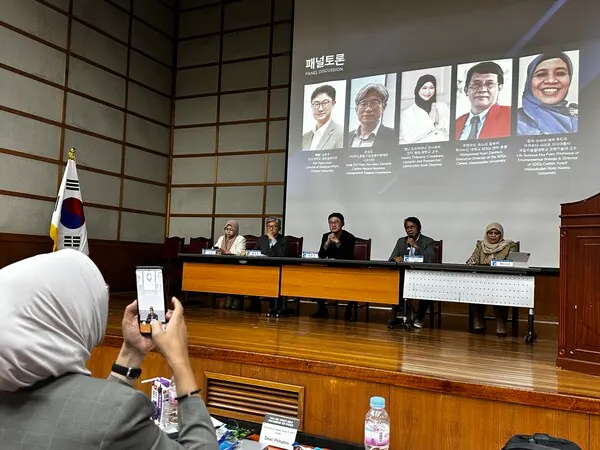
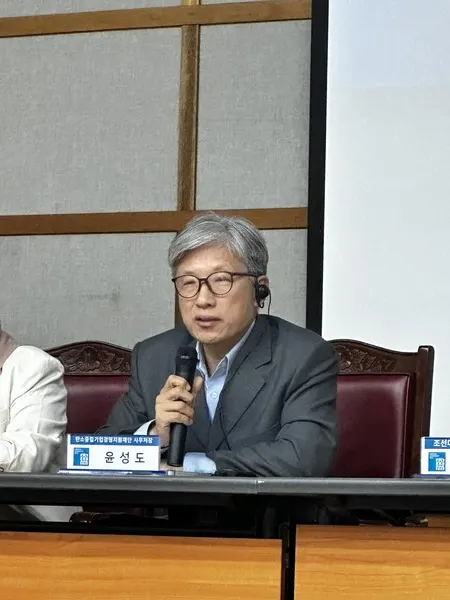
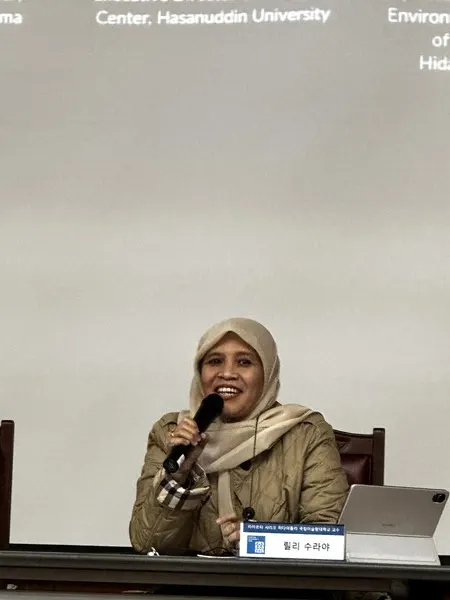
강연 후에는 ‘기후위기와 지속 가능한 발전을 위한 대학의 역할’을 주제로 한 패널 토론이 조선대학교 김현우 대외협력처장의 주도로 이어졌다. 패널에는 헨니 트리부아나 친나와라 교수, 하사누딘 대학의 무함마드 교수, 자카르타 샤리프 히다야툴라 국립이슬람대학교의 릴리 수라야 교수, 윤성도 (사)탄소중립기업경영지원재단 사무처장이 참석했다. 윤성도 사무처장은 “이번 포럼은 전남 최초의 섬 기후위기 포럼으로 매우 뜻깊은 자리였다”며, “국제 협력과 기술 교류를 통해 섬과 연안 지역의 기후위기 대응 방안을 마련하는 중요한 장이 되었다”고 평가했다.
협약식과 과 5·18 민주화운동 유적지 탐방
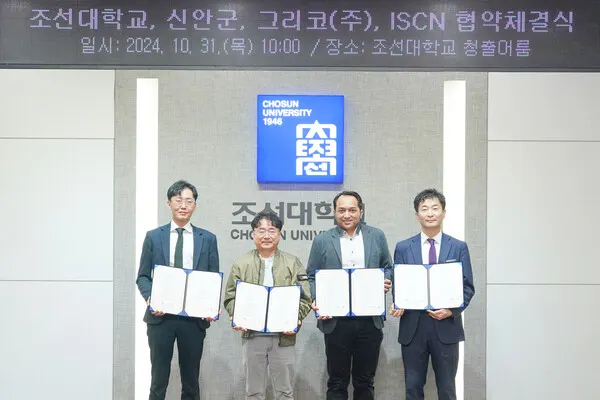
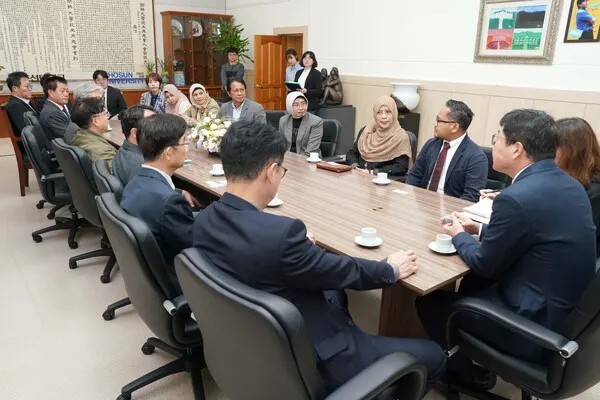
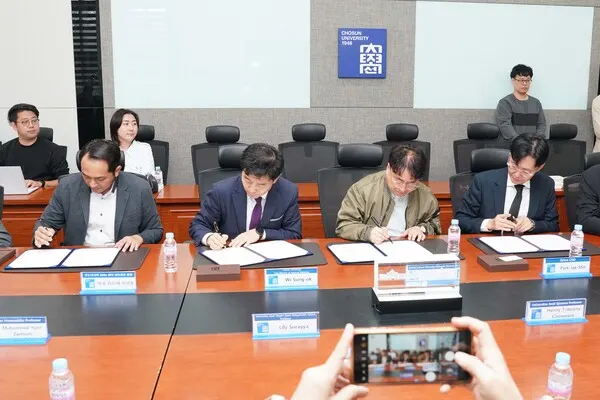
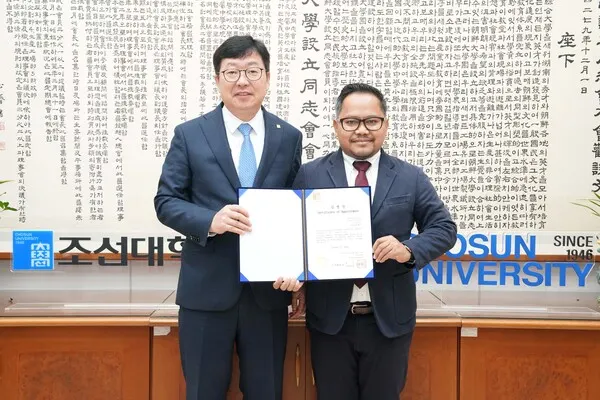
포럼 전후로 협약식 및 문화 탐방 활동이 진행되었다. 포럼 당일 오전에는 조선대학교와 신안군, ISCN, 그리코(Grico)가 섬과 해안지역의 폐기물 문제 해결과 한국의 ICT 기술 협력을 위한 협약을 체결했다. 김춘성 총장은 조선대학교의 ESG 경영체계와 SDGs 기반 교육과정 도입을 강조했으며, 그리코는 폐기 농산물을 이용한 생분해성 플라스틱 기술과 자원 순환, 탄소중립을 위한 협력을 약속했다.
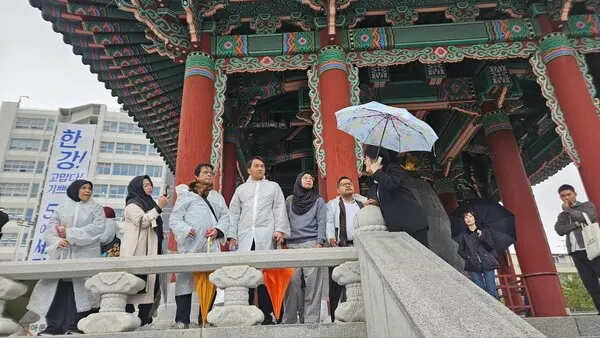
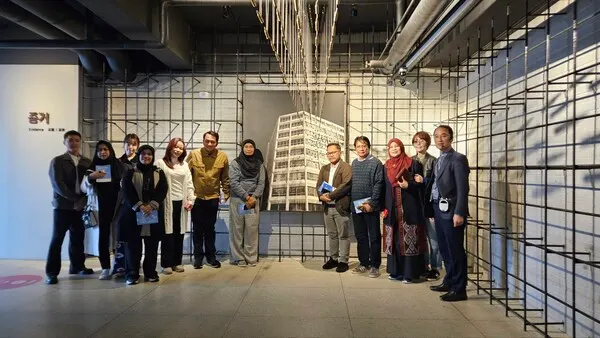
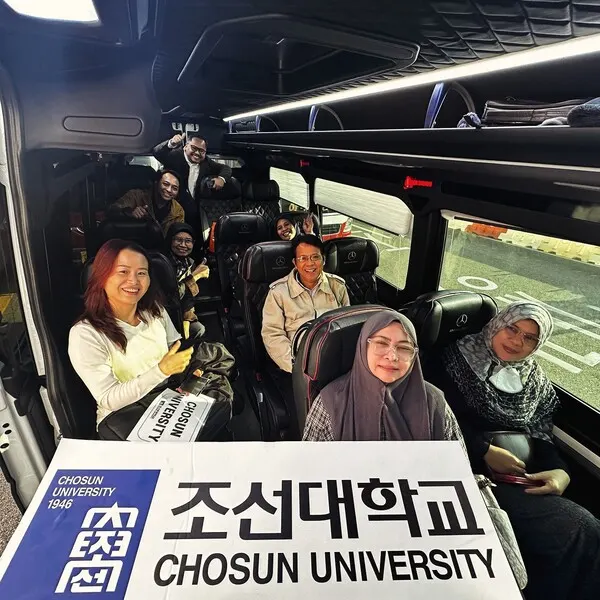
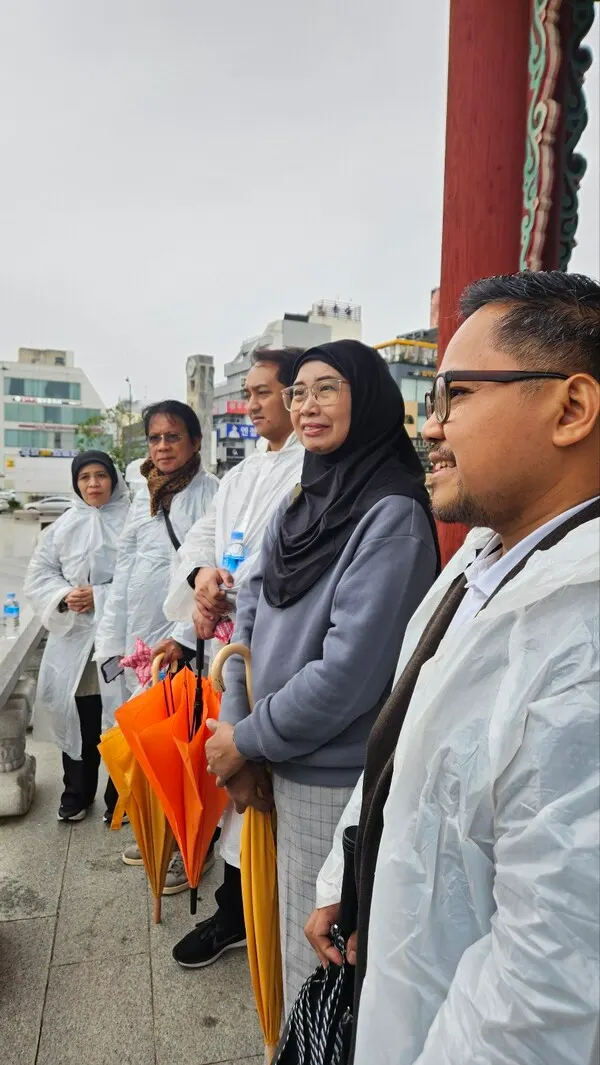
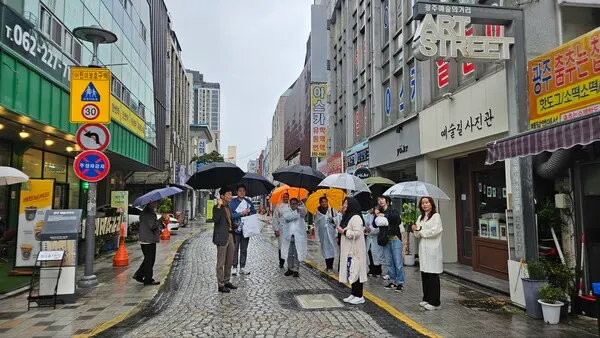
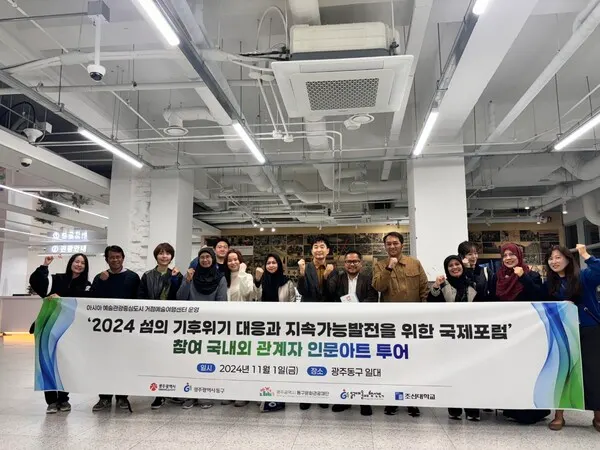
포럼을 마친 다음 날에는 인도네시아 교수진 전원이 위성옥 조선대 관학협력센터장의 인솔로 광주동구문화관광재단의 안내를 받아 5·18 민주광장을 방문해 민주주의와 인권의 가치를 되새겼으며, ‘전일빌딩245’에서 민주항쟁의 역사적 의미를 되새기는 도슨트 프로그램에 참여했다.
포럼의 의의 및 향후 일정
이번 포럼은 섬 지역의 청색 적응 전략과 지속 가능한 발전 방안을 국제적으로 논의하며, 섬과 연안 지역의 기후위기 대응을 위한 협력과 기술 교류의 기틀을 마련한 것에 큰 의의가 있다. 후속 포럼은 인도네시아 제2도시 수라바야와 지속 가능한 관광을 선도해 온 발리에서 내년 하반기에 개최될 예정이다.
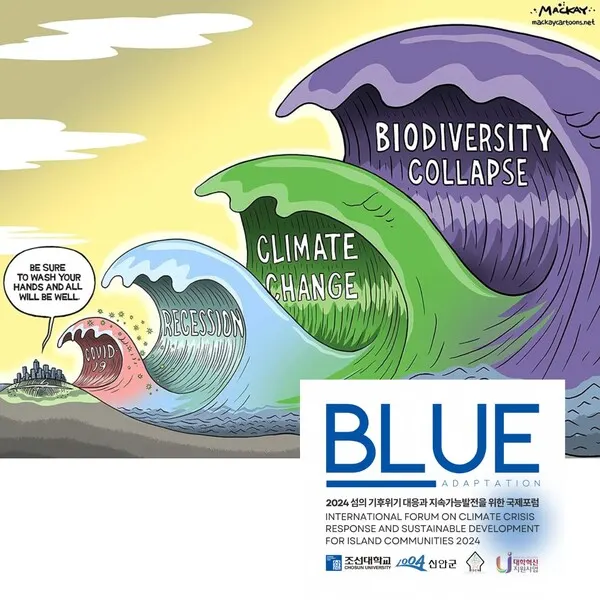
International Forum on 'Blue Adaptation': A Strategy Focused on Marine Carbon Absorption for Climate Resilience
- Restoring Marine Ecosystems as a Response to Climate Crisis and Boosting Blue Economy
- Shared Insights on Blue Adaptation Practices… Offering Global Perspectives
- Participation from Over 150 Marine Experts, Policy Makers, University and High School Students
Introduction to the Forum on Climate Response for Island and Coastal Regions
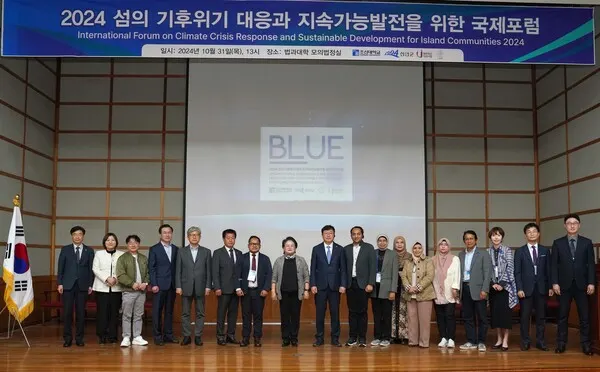
On October 31, the '2024 International Forum on Climate Response for Island Regions and Sustainable Development' was successfully held at Chosun University, presenting innovative models for tackling the climate crisis and enhancing marine economies in island and coastal areas. As the first forum of its kind in the South Jeolla region, it garnered high interest with attendance from over 150 participants, including marine experts, policy makers, university students, and high school students. The forum, co-hosted by Chosun University, Shinan County, and Indonesia Sustainable Development Goals Center Network (ISCN), centered on collaborative efforts and actionable solutions for 'Blue Adaptation' strategies aimed at sustainable development.
Chosun University’s SDGs Innovation and Strengthening International Cooperation
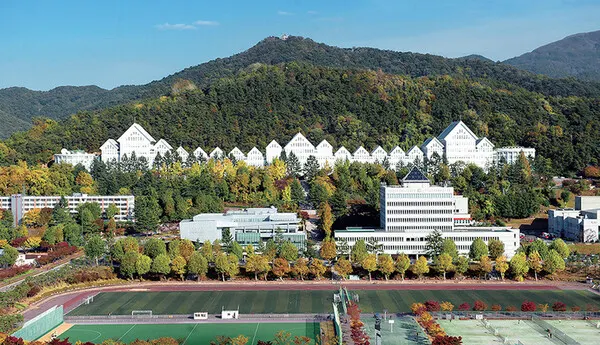
As part of its strategic initiatives, Chosun University has positioned the Sustainable Development Goals (SDGs) as a core focus within its four specialized education innovation projects, developing community-engaged curricula and actively operating relevant academic programs. In August this year, Chosun University signed a collaborative research and global exchange agreement with ISCN in Jakarta, focusing on addressing shared global challenges. The forum, organized as part of Chosun University’s SDG education innovation efforts, also attracted participation from Gwangju City’s Office of Education, public foundations, high schools, and universities to foster policy exchanges and discuss practical solutions for Blue Adaptation.
The First International Collaborative Event for ISCN
This forum marked ISCN’s inaugural international partnership. Supported by National Development Planning Agency (Bappenas), ISCN stands as the world’s first SDGs network established at a national level, representing a consortium of 58 Indonesian universities united for sustainable development. Seven ISCN university professors participated in the forum to present and discuss solutions for climate resilience and sustainable development through 'Blue Adaptation,' providing invaluable global insights.
Shinan County’s Efforts in Preserving Island Culture and Climate Resilience
Shinan County, represented by Governor Woo-Ryang Park, proposed this forum as part of its proactive measures for preserving island culture and ecological diversity. In 2020, the county established the 'Island Culture Diversity Network Task Force' and has since continued efforts in preserving island’s cultural diversity. The county has successfully hosted the 'Global Island Culture Diversity Forum' in recent two years, fostering exchanges with multiple island nations, including Palau, Fiji, Samoa, and Greece. Additionally, Shinan County has launched various preservation initiatives, including creating a booklet titled ‘Island Wisdom’ and developing online platforms to promote the rich cultural heritage of islands. Governor Park remarked, “Blue Adaptation is a critical strategy for protecting marine ecosystems and island cultures, minimizing the impacts of climate change, and promoting sustainable use of marine resources,” emphasizing the forum’s initiatives.
Presentations on Blue Adaptation Practices and Insights from Participating Nations
Held at Chosun University’s Law School Auditorium starting at 1 p.m., the forum included presentations from experts in fields such as marine science and technology, management, human rights, renewable energy transition, circular economy, and sustainable tourism. Experts from Indonesia, Philippines, and various Pacific island countries discussed diverse perspectives on climate resilience and the effectiveness of Blue Adaptation in island and coastal regions.
The President Chun-Sung Kim of Chosun University opened the forum with a keynote speech, emphasizing the potential of marine resources, particularly seaweed’s carbon absorption capacity, to contribute to carbon neutrality and revitalize the marine economy. Bayu Arie Fianto, President of Indonesia SDGs Center Network (ISCN), highlighted the environmental and economic benefits of Blue Adaptation within Indonesia’s sustainable development model. Dewi Prihatini, Head of the SDGs Center at the University of Jember, shared community-led initiatives in Indonesia as a model for achieving sustainable development. Nurjanna Nurdin, Head of the Research and Development Center for Marine, Coast and Small Islands, alongside Professor Muhammad Yusri Zamhuri from Universitas Hasanuddin, explained how remote sensing and field data are utilized to monitor marine ecosystem changes in Indonesia and translate these findings into environmental policy.
In a session on practical applications of Blue Adaptation, Hoselito Costas, an expert in community-based tourism, presented on Bojo village in Cebu, Philippines, illustrating how Blue Adaptation has supported economic opportunities in the local community. Unang Mulkhan, Senior Research Advisor at the SDGs Center of University of Lampung, discussed how renewable energy projects on Sumba Island and marine conservation efforts in Raja Ampat illustrate Blue Adaptation’s potential to simultaneously safeguard marine ecosystems and support community development. Daisy Jae-Ah Park, External Relations Professor at Chosun University and Secretary-General of the Pacific Climate Crisis Response Council, introduced various policies for preserving marine ecosystems, informed by traditional fishing practices in Fiji, Samoa, the Marshall Islands, and Seychelles.
Discussing the Role of Universities in Sustainable Development
Following the presentations, a panel discussion on 'The Role of Universities in Addressing the Climate Crisis and Advancing Sustainable Development' was held, moderated by Hyun-Woo Kim, Director of Chosun University’s External Cooperation Department. Panelists included Professor Henny Tribuana Cinnawara from Universitas Andi Djemma, Professor Muhammad Yusri Zamhuri from Universitas Hasanuddin, Professor Lily Surayya Eka Putri from Universitas Islam Negeri Syarif Hidayatullah Jakarta, and Sung-Do Yoon, Secretary-General of the Foundation for Carbon Neutral Business Management. Yoon remarked, “This forum, as the first climate response forum for islands in South Jeolla, has been an invaluable gathering,” adding that “it has become a vital platform to establish solutions for climate resilience in islands and coastal areas through international cooperation and technological exchange.”
MOU for ICT and 5·18 Democratic Uprising Site Tour
Alongside the forum, the hosts held a signing ceremony to establish partnerships for Information and communications technology(ICT) and environmental solutions in coastal areas. Chosun University, Shinan County, ISCN, and Grico(an eco-friendly technology firm specializing in biodegradable plastic made from agricultural waste) signed the agreement to promote circular resource utilization and carbon neutrality.
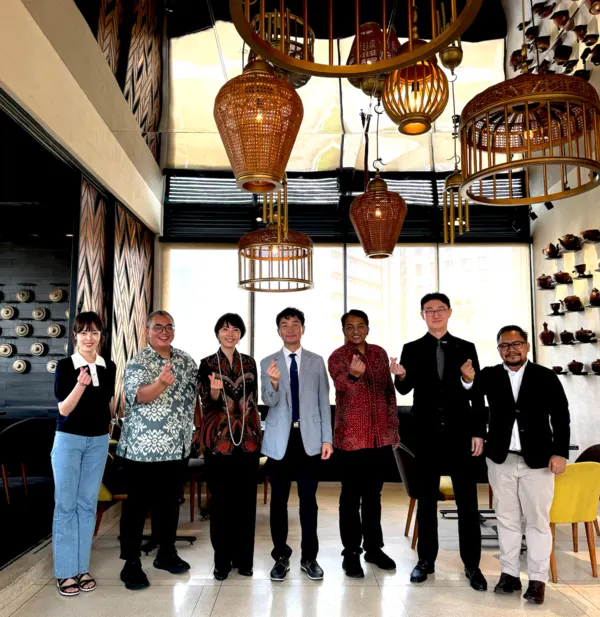
The day after the forum, a cultural tour was organized for Indonesian professors, led by Mr. Seong Ok Wi, the Head of the Chosun University’s Industry-Academy Cooperation Center and guided by Gwangju Dong-gu Culture and Tourism Foundation. Professors visited the ‘5·18 Democratic Square’, reflecting on the values of democracy and human rights, and later participated in a docent program at ‘Jeonil Building 245’, which commemorates Gwangju’s historical democratic movement.
Significance of the Forum and Upcoming Events
This forum holds significant value as it laid the groundwork for global collaboration and technology sharing to address climate challenges in island and coastal regions through Blue Adaptation strategies. The next forum is scheduled to take place in Indonesia’s second-largest city, Surabaya, and Bali, a leading hub of sustainable tourism, in the latter half of next year.

© 시사매거진. 무단 전재 및 재배포 금지.
세계 기사 더 보기